
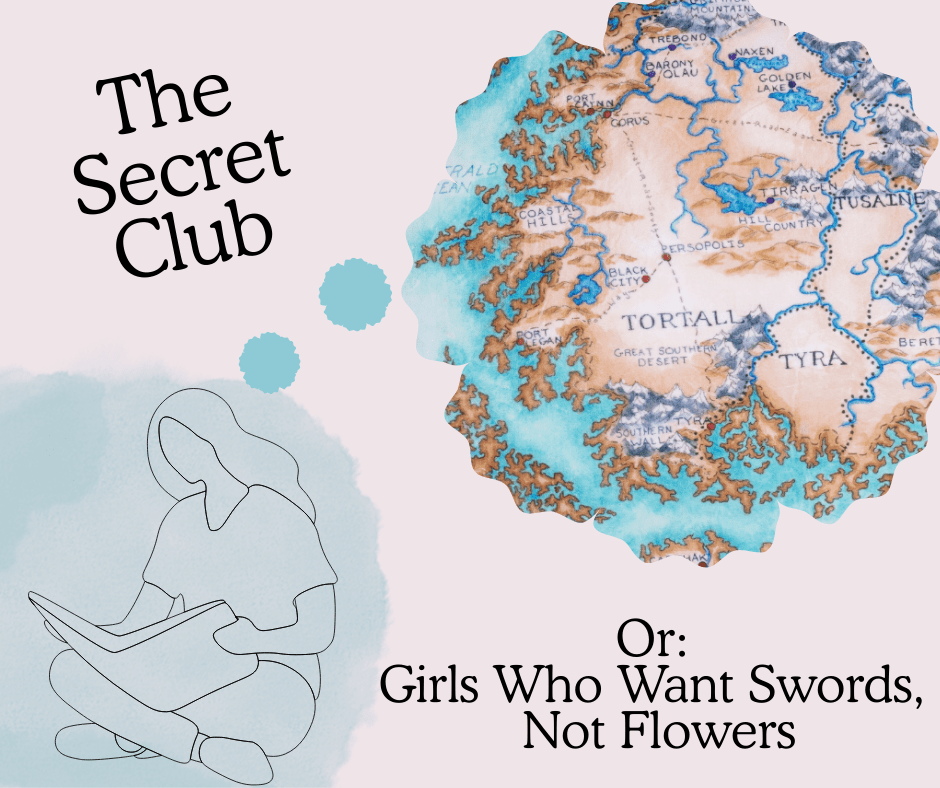
“Have you read the Alanna books?” the furtive question with a knowing glance was eagerly met by a swift, smiling affirmation. Whether asked on the first morning of sleepaway camp, or outside the orchestra classroom, this question always stood as an invitation. The answer was a barometer by which female friendships were forged from age 11 to 18 (and beyond) for me and many other millennial women.
Tamora Pierce has authored 18 books set in the realm of Tortall. The first four books follow Alanna as she trades places with her twin brother to fulfill her dream of becoming a Knight of Tortall amidst court intrigue, nefarious enemies, divine-given magic, and romantic entanglements.
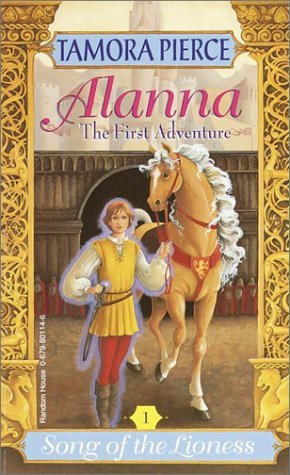
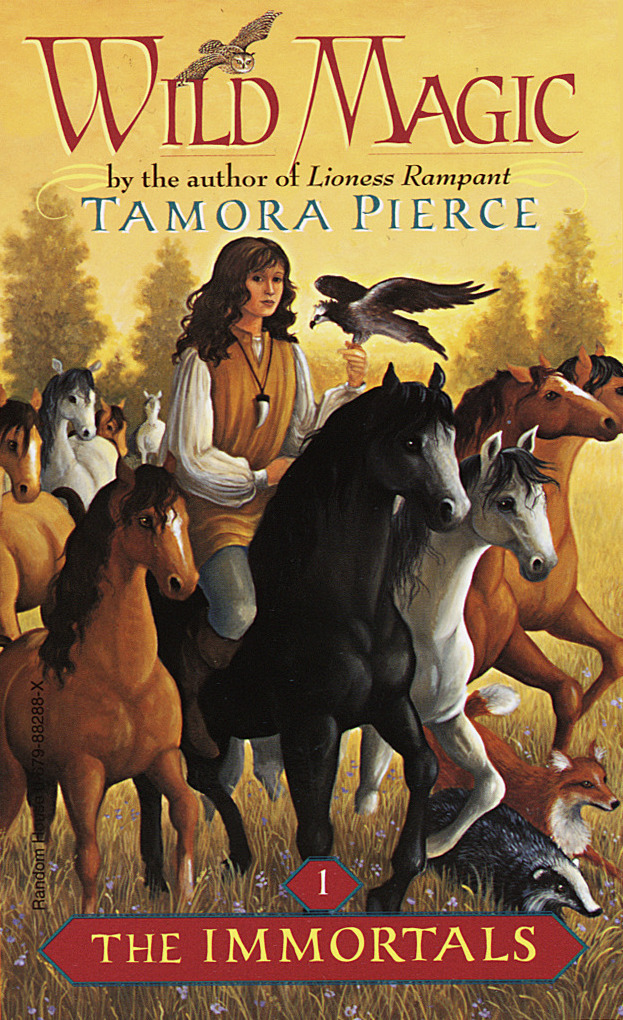

Following Alanna (Song of the Lioness) came the Daine books (The Immortals), and the Keladry books (Protector of the Small). A reader’s preferred main character became shorthand for their personality type. And the world of infinite hypotheticals opened up: “Would you rather learn to fight with a glaive or travel to the divine realm?” “Would you rather go into battle with George, Numair, or Raoul at your side?” After the initial introduction, these books were a common topic to fill the time. From hours spent in the park outside the library, to serving as casting directors for our ideal movie version – the profound joy and belonging these books provided is hard to overstate.
The shared love of these books helped introduce me to my closest lifelong friends. Which I believe is an admirable goal for any author. To create a microcosm so complete that you enable your readers to identify each other is a lofty goal.
Within the books, the thrill of literally fighting the patriarchy with a sword – or any weapon at hand – was a visceral push against the hypersexualization forced on teens of the early 2000s. Not only could you escape the Spice Girls ideal, but these books allowed you to witness the destruction of the very type of man that created those sexist ideals. They provide example after shining example of many ways to embody and act on feminist beliefs of treating everyone fairly regardless of gender or race. These characters epitomize the term Strong Female Protagonist, while losing none of their tenderness and nuance. Not every character is a “tomboy” and, on occasion, the more typical “girly-girls” overcome the next threat more adeptly. The fantasy of these books allowed us all the space to imagine something better. To quote Pierce herself, “Fantasy creates hope and optimism in readers. It is the pure stuff of wonder, the kind that carries over into everyday life and colors the way readers perceive things around them”*.
I needed these books at a time when I was just beginning to encounter myself. Just beginning to identify the traits and beliefs that I would come to hold throughout my life. I never related to Nancy Drew, Anne Shirley or Mary Lennox. I needed the fantasy elements of Alanna’s world to nudge the bud of fierce independence and willingness to fight for what is right into full bloom.
This is not to deify these books, something I am loath to do given the fallible nature of human authors. However, the flaws of the early books are improved and addressed by later titles, showing how Pierce listens to her readers. This progression also allows young readers to progress from the “simple” conflict of the early books to the more nuanced, complexities of the later titles. Her growth should be a goal for all writers. Being able to admit past mistakes and show demonstrable improvement, rather than believing oneself superior to one’s readers, is admirable.
For me, the influence of these books comes not from the fantasy setting, but from the sense of comfort they provide. I admire books that allow the reader to settle in and feel something bordering on nostalgia from the first time they read it. I hope to find that balance between suspense and knowing a happy ending will arrive. Between challenging historical details and relatable characters. Between the unfamiliar and the known. Regardless of the genres I pursue, I hope to bring that element of optimism that Pierce claims fantasy creates.
*Quote Source: Tamora Pierce. “Fantasy: Why Kids Read It, Why Kids Need It,” School Library Journal 39 no.10 (1993): 51.
 Melissa Proulx | Author